

By The Tech Guy
In today’s environmentally conscious and technologically advanced society, portable solar power has emerged as a beacon of sustainable energy for outdoor enthusiasts, travelers, and emergency preparedness advocates alike. This comprehensive guide will illuminate the path to harnessing the sun’s power, ensuring that your devices remain charged and operational, no matter where your adventures may lead.
Related Products

Jackery Solar Generator 300 Plus
- Power on the Go: Weighing only 11 lbs
- All-around Safety: Max safety featuring 52 protective mechanisms, 12 BMS algorithms, and 4 types of physical protection
- Ultra-Fast Charging: Solar charged in only 4 hours
- Smart App Control: Easy battery management via Wi-Fi or Bluetooth

Jackery Solar Generator 500
- Safe, Clean and Quiet Solar Generator
- Compact and Lightweight
- Waterproof, Foldable & Portable Solar Panels
- 7 Outputs for Outdoor Devices
- 3 Ways to Recharge
- 518Wh Capacity, 500W Inverter (1000W Surge)
Guide Details
Understanding Portable Solar Power
Portable solar power refers to the use of photovoltaic (PV) panels to convert sunlight into electricity, which can then be used to charge electronic devices, power lights, and even run small appliances. This technology is an invaluable tool for anyone looking to maintain energy independence in remote locations, reduce their carbon footprint, or ensure access to power during emergencies.

Types of Portable Solar Solutions
- Solar Chargers: These are compact, lightweight, and designed for charging small devices like smartphones, tablets, and cameras. Solar chargers typically range from 5W to 21W and can be easily attached to backpacks or placed in sunny spots.
- Portable Solar Panels: Larger than solar chargers, these panels are designed for more robust charging needs and can be used to power laptops, portable refrigerators, and other higher-energy devices. They often come in foldable or rollable designs for easy transport.
- Solar Power Banks: These are essentially batteries that store energy from the sun. They’re perfect for charging multiple devices simultaneously and can be a lifesaver in areas where sunlight may be intermittent.
- Solar Generators: Offering the highest capacity, solar generators can power everything from smartphones to medical equipment and small appliances. They’re an excellent choice for camping, RVing, or as a backup power source for emergencies.
How to Use Portable Solar Power Effectively
1. Choosing the Right Solar Gear
- Assess Your Power Needs: Estimate the energy consumption of the devices you intend to power. This will help you determine the capacity and type of solar solution you need.
- Portability vs. Power: Balance the need for portability with power requirements. Smaller devices are easier to carry but offer less charging capacity, while larger setups provide more power but are bulkier.
2. Maximizing Solar Charging Efficiency
- Optimal Placement: Position your solar panels directly under the sun and adjust the angle throughout the day to capture maximum sunlight.
- Avoid Shade: Even a small shadow on the panel can significantly reduce its efficiency.
- Clean Panels: Dust and dirt can block sunlight. Keep your panels clean to ensure optimal performance.
3. Storing Energy for Later Use
- Use Power Banks: Charging a power bank during the day allows you to store energy for nighttime use or for days when sunlight might be scarce.
- Consider Larger Batteries: For extended trips or more significant power needs, invest in larger batteries or a solar generator.
4. Safety and Maintenance
- Protect Your Gear: Keep your solar panels and batteries away from water and extreme temperatures.
- Regular Checks: Inspect your equipment for damage or wear before and after trips. Proper care can significantly extend the life of your solar gear.
Examples of Portable Solar Power in Action
1. Hiking and Backpacking
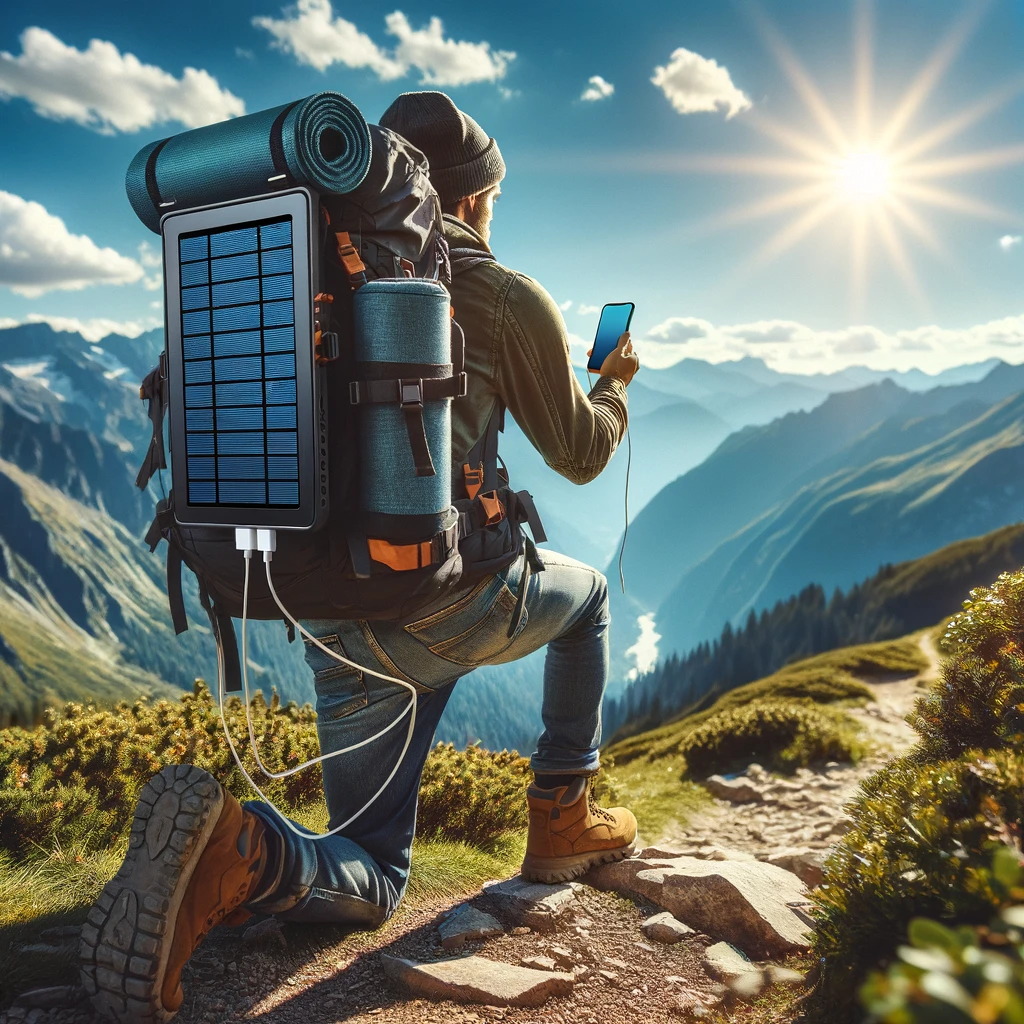
For the solo hiker or a small group, a foldable solar charger (around 15W) can keep GPS devices, phones, and cameras charged. Lightweight and easy to attach to a backpack, it’s an unobtrusive way to ensure you’re always connected and can navigate safely.
2. Camping
A family camping trip might demand more power, making a portable solar panel kit (around 100W) combined with a power bank or a small solar generator the perfect solution. This setup can handle lighting, charge devices, and even power a small cooler, enhancing your camping experience without the noise and pollution of traditional generators.
3. RVing
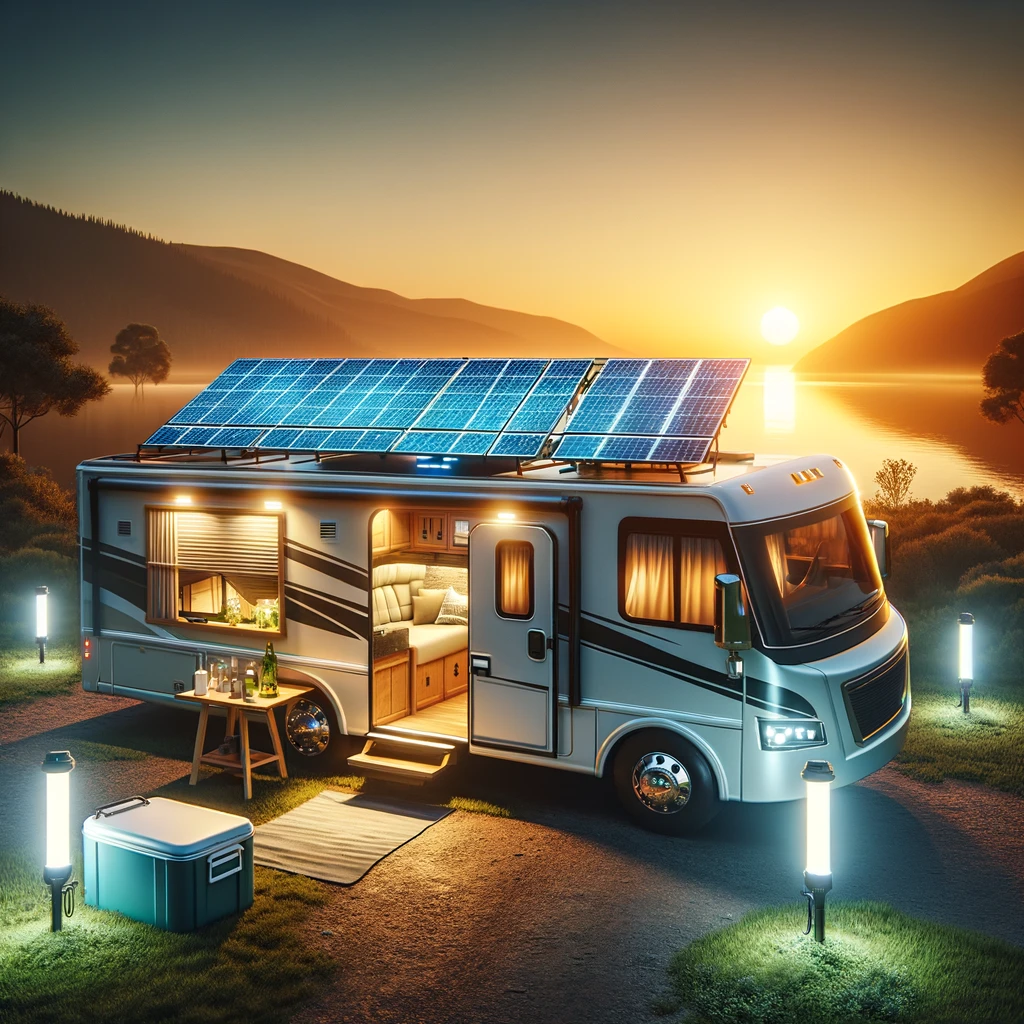
For those who travel in RVs, a more substantial solar setup (200W-400W) can transform your experience. Such a system can power refrigeration, charge laptops, and run fans, making off-grid living comfortable and sustainable. Mountable panels on the RV’s roof can charge large batteries during the day, ensuring a steady power supply.
4. Emergency Preparedness
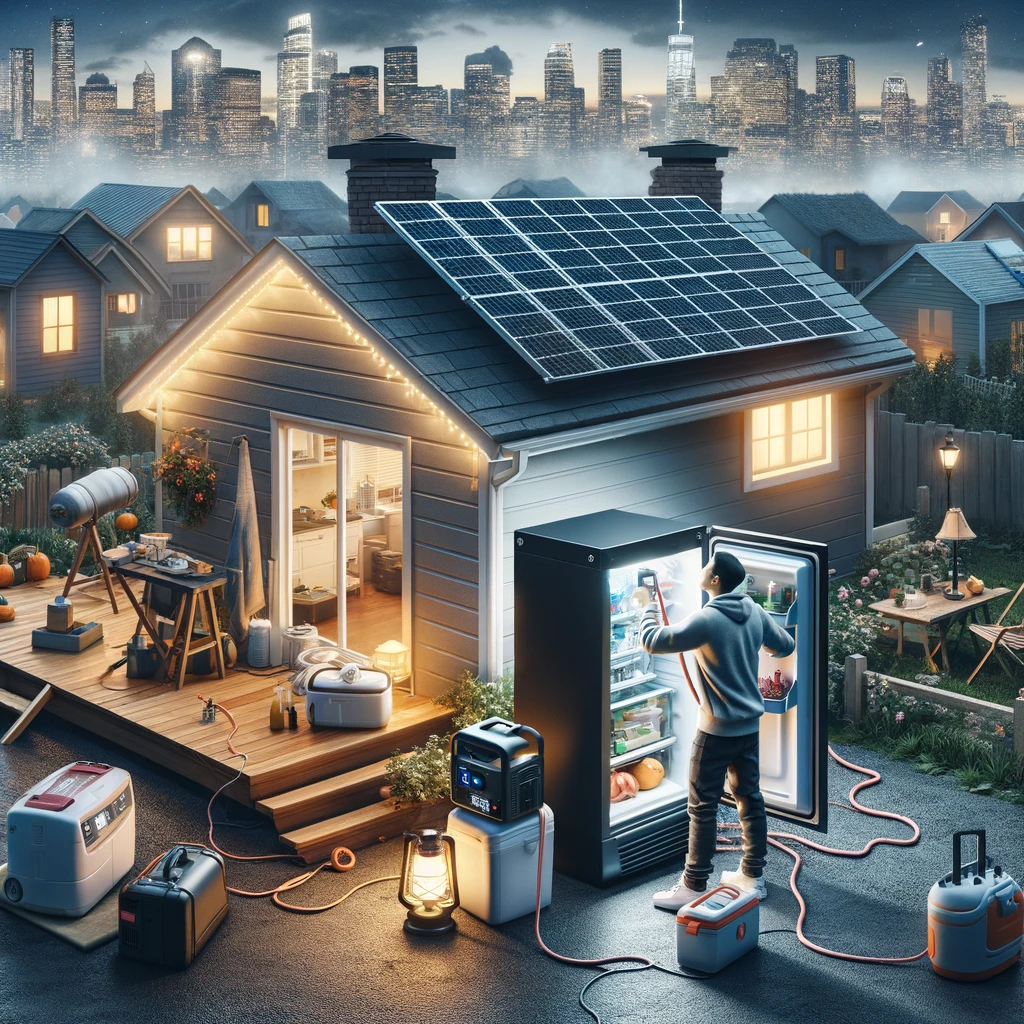
In emergencies, a solar generator can be a lifeline, powering essential devices like radios, lights, and medical equipment. A portable solar generator with a capacity of 500W to 1000W can keep your home’s critical systems running during power outages, offering peace of mind in uncertain times.

Conclusion
Embracing portable solar power is more than just a convenience; it’s a step towards sustainable living and energy independence. Whether you’re an outdoor enthusiast seeking to minimize your ecological footprint or someone who wants to be prepared for any situation, portable solar technology offers a versatile, eco-friendly solution. By selecting the right equipment for your needs, optimizing your setup for efficiency, and maintaining your gear, you can harness the sun’s endless energy to power your adventures and safeguard your peace of mind.
Subscribe to hear about new gadgets!
Join today and make informed decisions with honest gadget reviews and handpicked recommendations.
